Queen Elizabeth The Queen Mother: The Woman Who Shaped Modern British Royalty

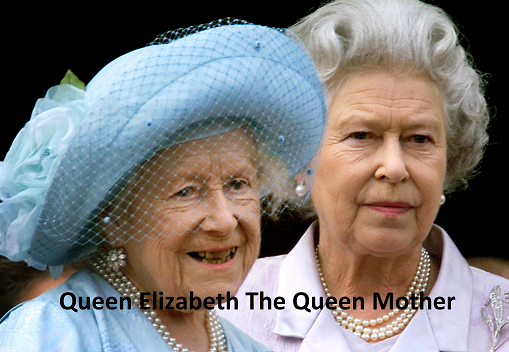
Queen Elizabeth The Queen Mother remains one of the most beloved and influential figures in British royal history. Known for her warmth, resilience, and unshakable sense of duty, she played a crucial role in supporting the monarchy through some of its most challenging moments. While she was never meant to be queen initially, destiny placed her at the very heart of the British royal family, where she left a legacy that still resonates today.
This article explores her life in depth—from her early years and unexpected rise to queenship, to her powerful role during World War II, her influence as Queen Mother, and the lasting impact she had on both the monarchy and the British public. Written in a casual yet expert tone, this is a complete look at a woman whose strength and charm helped define an era.
Early Life and Aristocratic Roots
Elizabeth Angela Marguerite Bowes-Lyon was born on August 4, 1900, into a well-connected aristocratic family in London. She was the ninth of ten children born to Claude Bowes-Lyon, the 14th Earl of Strathmore and Kinghorne, and his wife Cecilia Cavendish-Bentinck. Her upbringing was comfortable but not overly rigid, allowing her to develop a grounded personality that later endeared her to the public.
Unlike many royal figures, Elizabeth’s childhood was relatively private and family-oriented. She spent much of her early life at Glamis Castle in Scotland, surrounded by siblings, countryside traditions, and a strong sense of family loyalty. This environment shaped her character, giving her a natural warmth and resilience that would become her trademark.
Education for Elizabeth was mostly home-based, which was common for girls of her social standing at the time. While she was not formally trained for a royal role, she developed a strong sense of responsibility, confidence in social settings, and a deep understanding of British traditions—qualities that would later serve her remarkably well.
Marriage to Prince Albert and Entry into Royal Life
Elizabeth’s life changed dramatically when she married Prince Albert, Duke of York, in 1923. Prince Albert, affectionately known as “Bertie,” was the second son of King George V and Queen Mary. Initially hesitant about royal life, Elizabeth reportedly declined his proposal twice before finally accepting, a decision that would shape the future of the monarchy.
Their marriage was widely seen as a love match, which helped modernize the public image of the royal family. Elizabeth brought warmth and approachability to royal duties, balancing Prince Albert’s reserved nature. Together, they presented a united and relatable front, which helped strengthen public trust in the monarchy during a period of social change.
At the time of her marriage, Elizabeth did not expect to become queen. The throne was destined for Prince Edward, Albert’s elder brother. This sense of being “unexpected” perhaps allowed her to approach royal duties with sincerity rather than ambition, a quality that later won widespread admiration.
Becoming Queen During a Constitutional Crisis

In 1936, everything changed Queen Elizabeth The Queen Mother. King Edward VIII abdicated the throne to marry Wallis Simpson, an American divorcée, triggering a constitutional crisis. As a result, Prince Albert became King George VI, and Elizabeth suddenly found herself Queen Consort—far sooner and under far more dramatic circumstances than anyone had anticipated.
The transition was not easy. King George VI struggled with a speech impediment and the immense pressure of kingship. Elizabeth became his strongest source of support, helping him build confidence and stability during an uncertain time. Her calm demeanor and unwavering belief in her husband were instrumental in his success as king.
As queen, Elizabeth embraced her new role fully. She worked tirelessly to connect with the public, understanding that the monarchy needed to rebuild trust after the abdication. Her empathy and genuine interest in people’s lives helped restore confidence in the royal institution during a fragile period.
World War II and the Symbol of National Strength
Queen Elizabeth’s role during World War II cemented her place as a national icon. While many suggested she and her children leave London for safety, she famously refused to abandon the capital. Her declaration that she would not leave without the king—and that the king would never leave—became legendary.
During the Blitz, Queen Elizabeth visited bombed neighborhoods, hospitals, and shelters, offering comfort to those affected by the devastation. Her presence had a powerful psychological impact, symbolizing resilience and shared sacrifice. She dressed modestly, spoke kindly, and made people feel seen during one of Britain’s darkest chapters.
Adolf Hitler reportedly referred to her as “the most dangerous woman in Europe,” a testament to her influence on British morale. While she wielded no political power, her ability to inspire courage and unity made her a quiet yet formidable force during wartime.
Life as Queen Mother After King George VI’s Death
King George VI passed away in 1952, making Elizabeth a widow and transforming her role once again. To avoid confusion with her daughter, the new Queen Elizabeth II, she became known as Queen Elizabeth The Queen Mother. At this stage of life, many might have stepped back—but she did the opposite.
As Queen Mother, she remained highly active in public life, attending events, supporting charities, and representing continuity within the monarchy. Her presence reassured the public during the early years of Queen Elizabeth II’s reign, offering a bridge between generations.
She developed a reputation for charm, humor, and an unbreakable spirit. Well into her later years, she maintained a full schedule, proving that age was no barrier to service. Her enduring visibility helped reinforce the monarchy’s stability in a rapidly changing world.
Relationship with Queen Elizabeth II and the Royal Family
The bond between Queen Elizabeth The Queen Mother and her daughter, Queen Elizabeth II, was deeply rooted in mutual respect and affection. Having experienced the pressures of royal duty herself, the Queen Mother provided invaluable guidance and emotional support to her daughter throughout her reign.
She was also a beloved grandmother, particularly close to Prince Charles. Her traditional values and understanding of royal expectations helped shape younger generations of the family. While she embraced tradition, she was not entirely resistant to change, recognizing that the monarchy needed to evolve to survive.
Within the royal family, she was often seen as a stabilizing presence. Her wisdom, humor, and experience made her a trusted figure behind the scenes, even when public attention focused elsewhere.
Personal Style, Personality, and Public Image
Queen Elizabeth The Queen Mother was instantly recognizable for her elegant hats, pastel-colored outfits, and ever-present smile. Her fashion choices were not just personal preferences but part of a carefully cultivated public image that conveyed optimism and dignity.
Beyond appearances, her personality was warm, witty, and occasionally mischievous. She was known to enjoy horse racing, social gatherings, and even a daily gin or Dubonnet cocktail. These humanizing details made her relatable and beloved by the public.
What truly set her apart was her emotional intelligence. She understood the power of kindness and presence, using them to connect with people from all walks of life. This ability helped her maintain popularity for nearly a century.
Final Years and Passing
Queen Elizabeth The Queen Mother lived an extraordinarily long life, passing away on March 30, 2002, at the age of 101. Even in her final years, she remained a respected and cherished public figure, continuing to attend events when health allowed.
Her death marked the end of an era. Tributes poured in from around the world, reflecting the deep affection people felt for her. The public mourning demonstrated just how profoundly she had touched the lives of millions.
She was laid to rest beside King George VI, closing a chapter of royal history defined by service, strength, and grace.
Legacy of Queen Elizabeth The Queen Mother
The legacy of Queen Elizabeth The Queen Mother extends far beyond her titles. She redefined what it meant to be a royal consort, showing that emotional strength and public connection could be just as powerful as political authority.
Her influence helped stabilize the monarchy during some of its most difficult moments, from abdication and war to generational transitions. She proved that leadership can be quiet, compassionate, and deeply human.
Today, she is remembered not only as the mother of a queen but as a queen in her own right—one whose life story continues to inspire respect, admiration, and affection across generations.