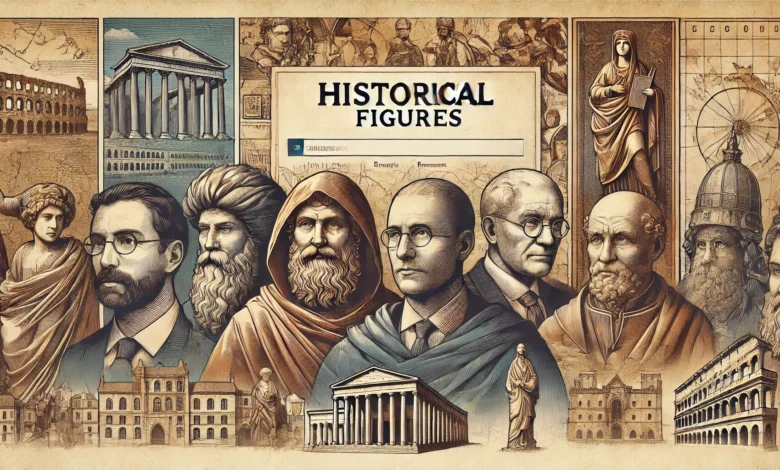
History isn’t just a collection of dates and events—it’s a story driven by people. Historical figures are individuals whose actions, ideas, and decisions left a lasting mark on societies, cultures, and even the way we think today. From visionary leaders to quiet reformers, these people shaped the course of human civilization in ways that still matter.
In this article, we’ll explore what makes historical figures important, how their influence carries forward into modern life, and why learning about them remains essential. The approach is casual, but grounded in expert understanding, so it’s easy to read without losing depth.
What Defines a Historical Figure?
A historical figure is not simply someone who lived in the past; it’s someone whose life had a meaningful impact on others. These individuals changed political systems, advanced knowledge, inspired movements, or transformed cultures in ways that endured beyond their lifetime. Their influence often crossed borders and generations.
What’s interesting is that historical importance isn’t limited to fame during one’s lifetime. Many figures, such as artists or scientists, were underappreciated while alive but later recognized for their groundbreaking contributions. History has a way of revisiting the past and reevaluating who truly mattered.
Another defining trait of historical figures is context. Their actions made sense within the challenges and norms of their time. Understanding this context helps us appreciate their decisions more clearly, rather than judging them solely by modern standards.
Types of Historical Figures and Their Impact
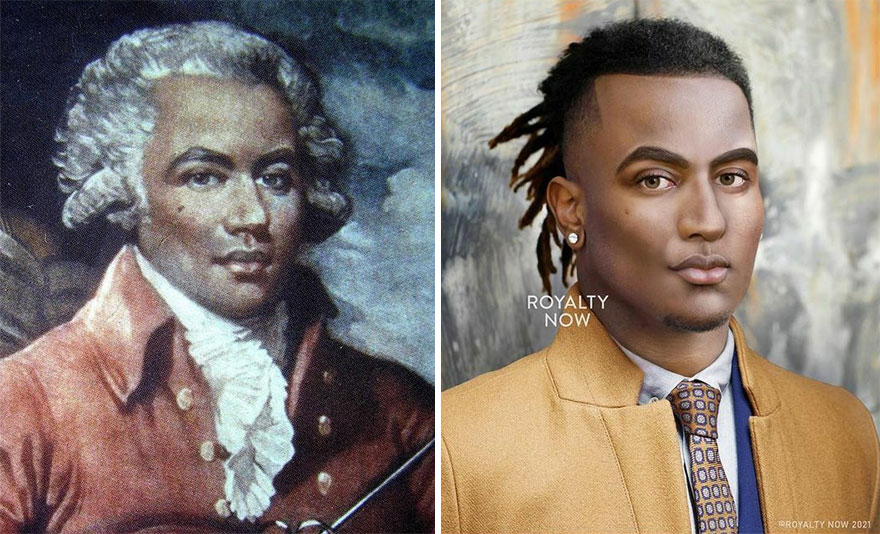
Political leaders are often the most visible Historical Figures. Kings, presidents, revolutionaries, and generals shaped nations through laws, wars, and diplomacy. Figures like Abraham Lincoln or Napoleon Bonaparte didn’t just rule—they redefined power, leadership, and national identity.
Equally important are thinkers and innovators. Scientists, philosophers, and inventors such as Isaac Newton or Marie Curie transformed how we understand the world. Their discoveries didn’t just solve problems; they opened entirely new fields of study that continue to evolve today.
Then there are cultural and social figures—writers, artists, and reformers—who shaped values and beliefs. People like William Shakespeare or Martin Luther King Jr. influenced how societies express ideas, fight injustice, and imagine a better future. Their power lies not in authority, but in ideas that resonate deeply.
Why Historical Figures Still Matter Today
Historical figures continue to influence modern life in subtle and obvious ways. Political systems, scientific principles, and social movements often trace their roots back to individuals who challenged the status quo. Understanding these origins gives us clarity about why the world works the way it does.
Studying historical figures also helps us learn from both success and failure. Not every influential person made the right choices, and that’s exactly the point. Their mistakes offer lessons in leadership, ethics, and responsibility that are still relevant today.
Finally, historical figures inspire critical thinking. They remind us that change is possible through vision, courage, and persistence. By learning their stories, we don’t just remember the past—we gain insight into shaping the future more thoughtfully.
Final Thoughts
Historical figures are more than names in textbooks; they are the architects of human progress and, at times, human struggle. Their lives reflect ambition, creativity, conflict, and resilience, making history a deeply human story rather than a distant record.
By studying historical figures with curiosity and context, we develop a stronger understanding of the present. History becomes not just something that happened, but something that continues to guide and inform us every day.