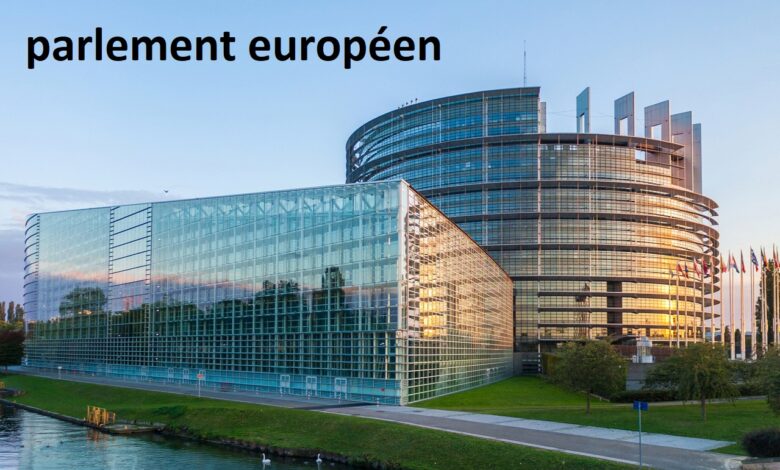
Introduction to the Parlement Européen
The Parlement européen, or European Parliament, is one of the most important political institutions in the European Union. It represents the voice of more than 450 million citizens across EU member states, making it one of the largest democratic assemblies in the world. Unlike national parliaments, its role is transnational, which gives it a unique place in global governance.
What makes the Parlement européen especially interesting is how it blends national diversity with collective decision-making. Members come from different countries, cultures, and political traditions, yet they work together under a shared legal and political framework. This balance between unity and diversity is at the core of how the European Union functions.
Over the years, the Parliament has grown significantly in power and influence. Once mainly advisory, it now plays a central role in shaping EU laws, approving budgets, and holding other EU institutions accountable. Understanding the Parlement européen is essential for anyone who wants to grasp how modern Europe is governed.
Structure and Composition of the European Parliament
The Parlement européen is made up of Members of the European Parliament, commonly known as MEPs. These representatives are elected every five years through direct elections in each EU member state. Seats are distributed roughly according to population, ensuring both fairness and proportional representation.
MEPs do not sit by nationality but by political group. These groups reflect shared ideologies such as conservatism, social democracy, liberalism, or environmentalism. This structure encourages debate based on ideas rather than national interests, which is a defining feature of the Parliament’s working style.
The Parliament operates mainly from three locations: Brussels, Strasbourg, and Luxembourg. Strasbourg hosts the monthly plenary sessions, Brussels is where committee work happens, and Luxembourg houses administrative offices. While this arrangement is sometimes debated, it reflects historical compromises within the EU.
Legislative Powers and Law-Making Role
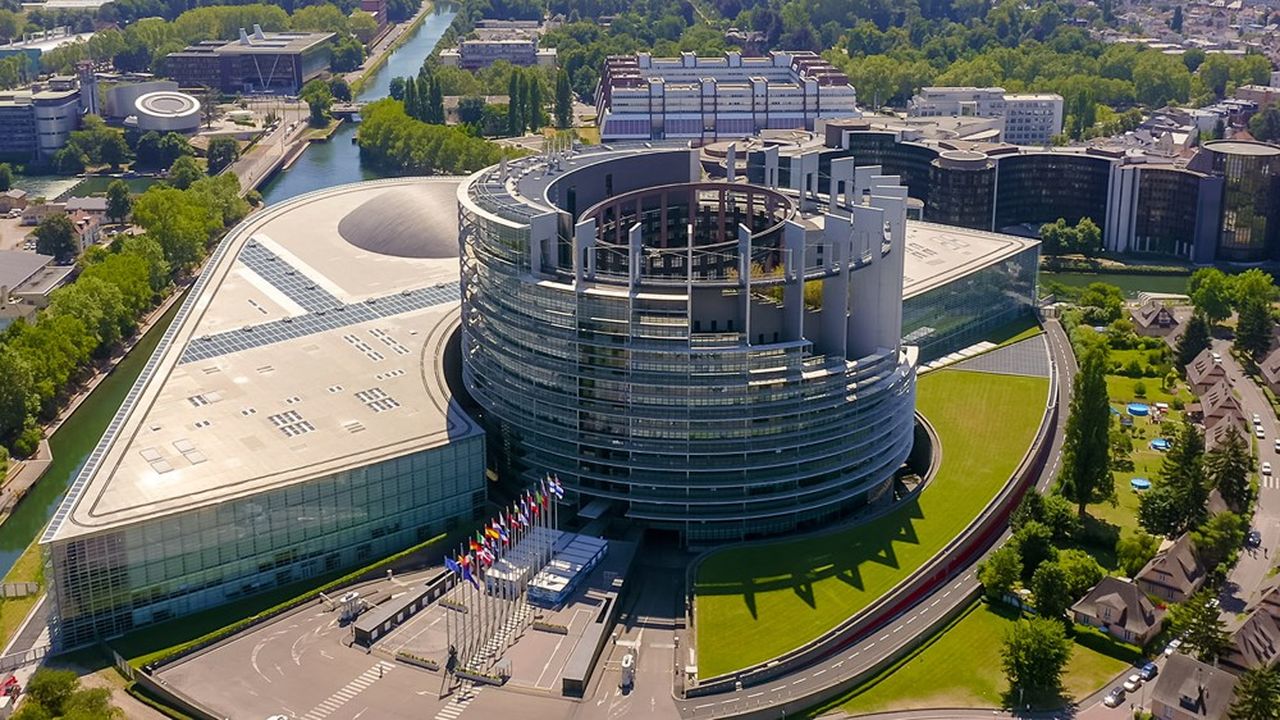
One of the key responsibilities of the Parlement européen is its role in making EU laws. It shares legislative power with the Council of the European Union, meaning most laws require approval from both institutions. This process ensures that citizens’ representatives have a direct say in European legislation.
The Parliament reviews, amends, and votes on proposed laws that cover a wide range of topics, including climate policy, digital regulation, consumer rights, and trade. Through its specialized committees, MEPs analyze proposals in detail before presenting them to the full assembly for debate.
Over time, the Parliament’s legislative authority has expanded significantly. Today, it stands on almost equal footing with the Council, reinforcing democratic legitimacy within the EU. This evolution has transformed the Parlement européen into a true law-making powerhouse rather than a symbolic body.
Budgetary Authority and Financial Oversight
The Parlement européen also plays a crucial role in shaping the EU’s budget. Alongside the Council, it debates and approves how billions of euros are spent each year across member states and EU programs. This includes funding for agriculture, research, regional development, and humanitarian aid.
Beyond approving spending, the Parliament monitors how EU funds are used. It has the power to question the European Commission and demand transparency in financial management. This oversight function is essential for maintaining public trust and ensuring accountability.
One of the Parliament’s most powerful tools is its ability to approve or reject the discharge of the EU budget. If serious concerns arise, it can delay approval or demand corrective measures. This gives the Parlement européen real influence over how European taxpayers’ money is managed.
Political Influence and Democratic Accountability
A major responsibility of the Parlement européen is holding other EU institutions accountable. It has the authority to question the European Commission, request reports, and organize hearings on major policy issues. This oversight strengthens democratic checks and balances within the EU system.
The Parliament also approves the appointment of the European Commission President and the full College of Commissioners. In extreme cases, it can force the Commission to resign through a vote of no confidence. While rarely used, this power highlights the Parliament’s political weight.
Through debates, resolutions, and public sessions, the Parliament shapes political discourse across Europe. It often takes strong positions on human rights, international relations, and democratic values, making it a visible symbol of Europe’s commitment to shared principles.
The Parlement Européen in Citizens’ Daily Lives
Many people underestimate how much the Parlement européen affects everyday life. Laws passed by the Parliament influence consumer protections, mobile roaming charges, food safety standards, and environmental regulations. These decisions directly impact citizens across all member states.
The Parliament also acts as a bridge between European institutions and the public. MEPs engage with voters, civil society organizations, and interest groups to reflect public concerns at the EU level. This connection helps ensure that European policies are not disconnected from real-world needs.
In recent years, the Parliament has made efforts to increase transparency and accessibility. Live-streamed sessions, multilingual communication, and public consultations allow citizens to follow and participate in European democracy more closely than ever before.
Conclusion: Why the Parlement Européen Matters
The Parlement européen is far more than a political institution; it is the democratic backbone of the European Union. By representing citizens directly, it ensures that EU decisions are shaped by elected voices rather than solely by governments or technocrats.
Its growing legislative, budgetary, and oversight powers reflect the EU’s ongoing commitment to democratic governance. As the Union faces challenges such as climate change, digital transformation, and geopolitical uncertainty, the Parliament’s role becomes even more critical.
Understanding the Parlement européen helps clarify how Europe works as a political community. For citizens, businesses, and observers alike, it remains a central pillar in shaping the present and future of the European Union.