Petition: How One Document Can Turn a Simple Request into a Powerful Movement

A petition may look like a simple document filled with names and signatures, but in reality, it is one of the most powerful tools ordinary people have to influence decisions. From local community issues to global policy changes, petitions have shaped laws, challenged governments, and given voices to people who might otherwise go unheard.
In today’s digital age, a petition is no longer just a piece of paper passed around in public spaces. It can be an online campaign shared across social media platforms, gaining thousands—or even millions—of supporters in a matter of days. But what makes a petition effective? And how can someone create one that actually drives change?
In this article, we will explore what a petition truly is, how it works, and how you can craft one that gets attention and delivers results.
What Is a Petition and Why Does It Matter?
A petition is a formal written request addressed to a person or authority, usually signed by multiple people, asking for a specific action. It can be directed at government officials, corporations, educational institutions, or community leaders. The purpose is simple: to show that many individuals support a particular cause or demand.
Historically, petitions have played a significant role in democratic systems. They provide a structured way for citizens to communicate their concerns and push for reforms. When a petition gathers substantial support, it demonstrates collective agreement, which can influence policymakers to reconsider their stance or take action.
What makes a petition powerful is not just the number of signatures, but the unity it represents. A single complaint can be ignored. Hundreds or thousands of people standing together through a petition are much harder to overlook. It transforms individual frustration into collective advocacy.
Types of Petitions: Paper vs. Online
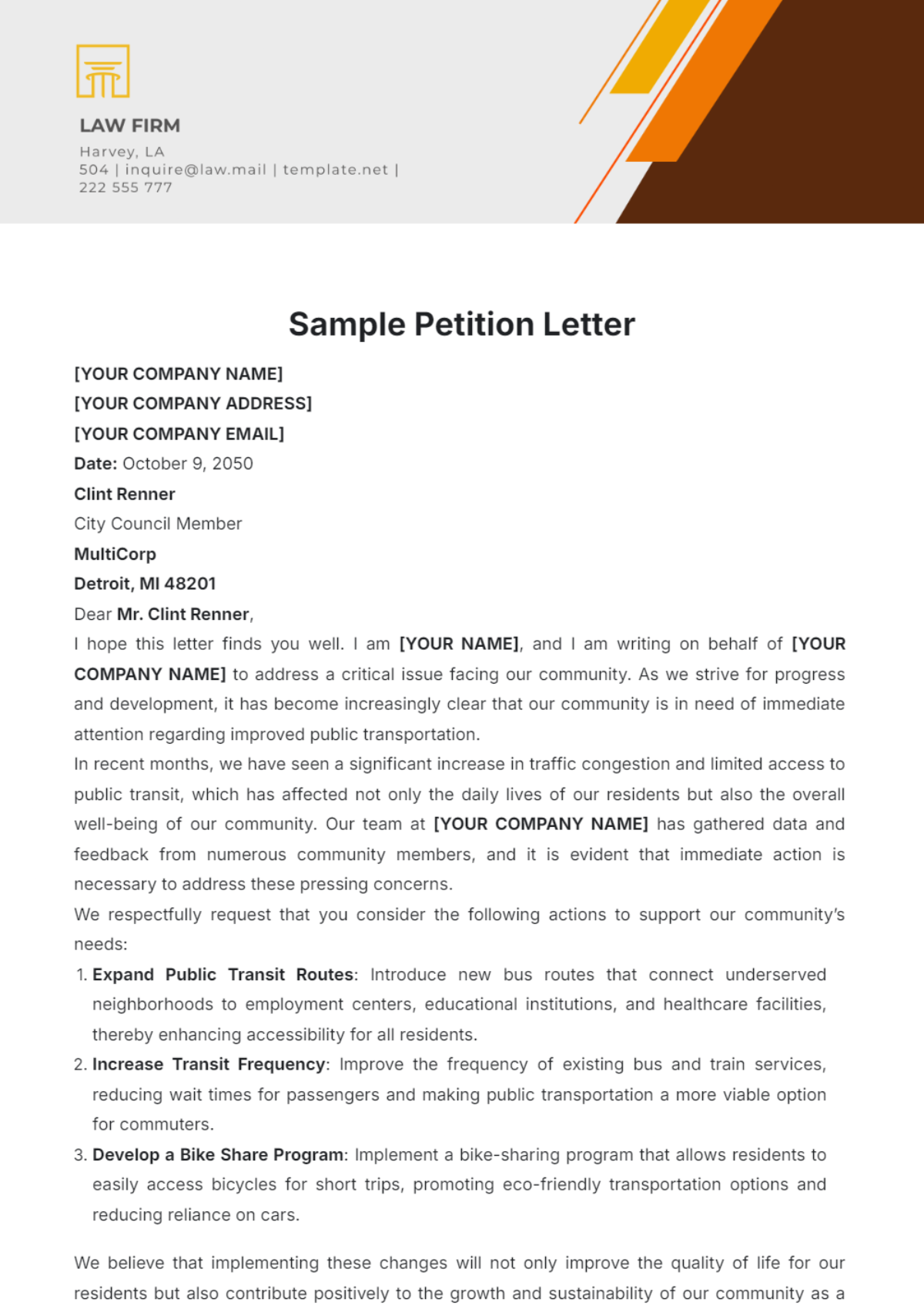
There are two main types of petitions: traditional paper petitions and online petitions. Both serve the same purpose but differ in how they collect support.
Paper petitions are often used in local communities. For example, if residents want to stop the closure of a park or request better road maintenance, they might circulate a printed petition for neighbors to sign. This method allows for personal interaction, which can strengthen community bonds and encourage participation.
Online petitions, on the other hand, have expanded the reach of activism. Platforms like Change.org or government e-petition websites allow people to start campaigns within minutes. These petitions can spread quickly through social media, email, and messaging apps. The digital format also makes it easier to track signatures and share updates with supporters.
While online petitions are faster and more scalable, paper petitions can feel more personal and impactful at a local level. Choosing the right format depends on the goal and the audience you are targeting.
How to Write an Effective Petition
Writing a petition requires more than just stating a problem. It demands clarity, structure, and persuasion. The first step is to clearly define the issue. Avoid vague statements. Instead of saying, “Improve our school,” specify what needs improvement, such as increasing library funding or repairing classroom facilities.
Next, explain why the issue matters. Use facts, statistics, or real-life examples to strengthen your argument. If possible, describe how the problem affects people directly. Emotional appeal combined with logical reasoning creates a compelling case.
Finally, include a clear call to action. A petition must state exactly what action you want the recipient to take. Whether it is passing a law, reversing a decision, or implementing a new policy, be direct and specific. The clearer your request, the easier it is for supporters to understand and sign with confidence.
The Psychology Behind Signing a Petition
People do not sign petitions randomly. They sign when they feel connected to the cause or believe their voice matters. Understanding this psychology can help you design a more persuasive campaign.
One important factor is social proof. When individuals see that many others have already signed, they are more likely to join. It creates a sense of momentum and legitimacy. Displaying signature counts publicly can significantly boost participation.
Another factor is emotional engagement. Stories are powerful. Sharing a personal experience or highlighting someone directly affected by the issue can make the petition relatable. When people feel empathy, they are more motivated to take action.
Convenience also plays a role. The easier it is to sign—especially in online petitions—the more likely people are to participate. Simplifying the process increases overall engagement and support.
Do Petitions Really Work?
A common question is whether petitions actually lead to change. The answer is: sometimes, yes—but it depends on strategy and context.
Petitions work best when combined with other forms of advocacy, such as media coverage, meetings with decision-makers, and community organizing. A petition alone may raise awareness, but pairing it with a broader campaign increases its impact.
Even when a petition does not achieve its primary goal immediately, it can still create long-term effects. It can bring attention to overlooked issues, influence public opinion, and lay the foundation for future action. In many cases, social and political change begins with small collective efforts that grow over time.
Final Thoughts: Turning Voices into Action
A petition is more than just a list of signatures. It is a symbol of shared concern and collective determination. When written strategically and supported by genuine community interest, it can become a powerful catalyst for change.
Whether you are addressing a local issue or advocating for global reform, the key lies in clarity, credibility, and connection. A well-crafted petition communicates a clear problem, presents a reasonable solution, and invites others to stand together in support.
In a world where individuals often feel powerless against large institutions, a petition reminds us that collective voices still matter. When people unite behind a common cause, even a simple document can spark meaningful transformation.