Easy Body Drawing Base: A Complete Guide for Beginners and Aspiring Artists

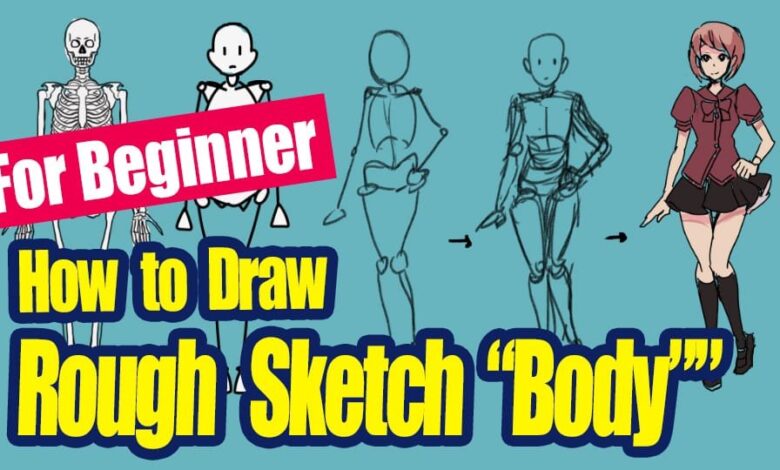
If you’ve ever tried sketching a character and thought, “Why does this look so stiff?” you’re not alone. Learning an easy body drawing base is the secret that most beginner artists overlook. Before the clothes, hair, and facial expressions come into play, the body structure must feel natural and balanced. Think of it as the skeleton of your artwork—if the base is solid, everything else becomes easier.
In this guide, I’ll walk you through how to create a simple, reliable body drawing base that works for any character style—realistic, cartoon, anime-inspired, or even comic book art. I’ll keep it casual, but I’ll explain things the way a professional artist would teach them in a studio setting.
Understanding What a Body Drawing Base Really Is

An easy body drawing base is not a finished drawing. It’s the underlying structure that helps you map out proportions, posture, and balance. Professionals often call it a “construction sketch.” It may look like a bunch of circles, lines, and simple shapes, but those shapes are doing a lot of heavy lifting.
The purpose of the base is to simplify complexity. The human body is incredibly detailed, with muscles, joints, and subtle curves. If you try to draw everything at once, it becomes overwhelming. By breaking the body down into basic shapes—like ovals for the torso, cylinders for arms, and spheres for joints—you create a clear roadmap to follow.
Another important thing to understand is that the base is meant to be loose. You should not press hard with your pencil. Think lightly, sketch quickly, and focus on flow rather than perfection. The base stage is about building structure, not making it pretty.
Starting with Simple Shapes and Proportions
The foundation of any easy body drawing base begins with simple geometry. Start with a circle for the head. This acts as your measurement tool for the rest of the body. In traditional figure drawing, the average adult body is about 7 to 8 heads tall. For beginners, using 7 heads is a manageable starting point.
Next, draw a vertical line down from the head. This is your spine guideline. It helps you maintain balance and direction. From there, sketch a simple shape for the ribcage—usually an oval or egg shape. Below that, draw a smaller, slightly tilted box or oval for the pelvis. These two shapes form the core of the body and determine the posture.
Arms and legs can be built using cylinders or simple lines first. Add circles at the shoulders, elbows, hips, and knees to indicate joints. These connection points make movement easier to visualize. At this stage, your drawing might look robotic, but that’s perfectly fine. You’re building structure, not style.
Creating Natural Poses Without Overcomplicating
Once you understand the basic standing pose, it’s time to loosen things up. One of the biggest mistakes beginners make is drawing stiff, straight figures. Real bodies shift weight naturally. Even when someone is standing still, their hips and shoulders are rarely perfectly aligned.
To create a more dynamic base, tilt the pelvis slightly. Then tilt the ribcage in the opposite direction. This creates a natural curve in the spine called the “line of action.” The line of action is a single flowing line that captures the movement or gesture of the body. Always draw this first when sketching a pose.
Keep your strokes loose and confident. Do not erase constantly. Instead, sketch lightly and adjust over it. Professionals often layer lines rather than trying to nail it in one stroke. When you focus on movement first and details later, your body drawing base becomes far more expressive and lifelike.
Adjusting the Base for Different Body Types
An easy body drawing base does not mean every character looks the same. Once you understand proportions, you can begin modifying them to create variety. For example, fashion illustrations often use longer legs—sometimes 9 heads tall—to exaggerate elegance. Comic book heroes might have broader shoulders and narrower waists.
If you’re inspired by stylized art like characters from animated shows or games, you’ll notice exaggerated proportions. For instance, characters in anime often have larger heads compared to their bodies. Meanwhile, superheroes from publishers like Marvel Comics typically feature dramatic muscle definition and powerful stances.
To adjust your base, simply stretch or compress sections. Make the torso shorter, the legs longer, or the shoulders wider. However, keep the joints aligned properly. No matter the style, structure must remain believable. Even highly stylized art follows underlying anatomical logic.
Building Confidence with Gesture Drawing
Gesture drawing is one of the fastest ways to improve your body drawing base skills. Gesture sketches are quick drawings, usually done in 30 seconds to 2 minutes. The goal is not detail but movement and energy.
When doing gesture drawing, focus only on the line of action and the main body shapes. Ignore fingers, facial features, and clothing. Capture the flow first. This trains your eye to see the body as a unified form rather than disconnected parts.
Over time, you’ll notice that your easy body drawing base becomes more fluid and natural. Your lines will gain confidence, and you’ll spend less time fixing awkward proportions. It’s like building muscle memory for your hand and eye coordination.
Common Mistakes to Avoid
One of the most common mistakes beginners make is drawing the head too large or the legs too short. Always measure using the head as your guide. If something feels off, compare lengths. Proportion errors are easier to fix early in the base stage.
Another mistake is ignoring balance. Imagine a straight line dropping from the neck to the ground. If the body’s weight is not centered over the feet, the character will look like they’re about to fall. Proper balance makes even simple poses look realistic.
Finally, avoid detailing too soon. Adding muscles, clothes, or facial features before solidifying the base leads to frustration. Finish your construction first. Clean lines come later. Professional artists spend more time on structure than most people realize.
Turning Your Base into a Finished Drawing
Once your base feels solid, you can begin refining it. Start by connecting shapes smoothly. Replace stiff cylinders with natural curves. Define the neck, shoulders, and waist gradually. This is where your character begins to take form.
After refining the silhouette, you can add clothing. Clothing should wrap around the body’s structure, not float independently. If your base is accurate, clothing folds will look natural automatically. Think of fabric as responding to the underlying form.
Finally, clean up your sketch. Erase unnecessary construction lines and strengthen the final outline. At this stage, you’ll see why building a strong easy body drawing base makes everything simpler. The hard work was already done in the beginning.
Practicing Efficiently for Faster Improvement
Improvement comes from repetition with purpose. Instead of drawing random full characters every time, dedicate sessions to just base construction. Fill pages with standing poses, walking poses, and seated figures.
Use photo references if needed, but simplify them into shapes. Do not copy outlines blindly. Analyze how the ribcage tilts, how the hips rotate, and how weight shifts from one leg to another. This analytical thinking is what separates casual sketching from serious growth.
Set small challenges for yourself. Draw ten different poses in fifteen minutes. Limit yourself to using only simple shapes. The more you simplify, the stronger your understanding becomes. Mastery of the basics creates freedom in advanced work.
Why Mastering the Easy Body Drawing Base Changes Everything
When you master the easy body drawing base, drawing becomes less stressful and more enjoyable. You no longer fear complex poses because you understand how to break them down. Instead of guessing, you construct.
Even professional artists rely on basic shapes. The difference is that they’ve practiced so much that their bases look effortless. What feels complicated now will eventually become second nature. The key is patience and consistent practice.
Remember, every polished illustration you admire started with simple circles and lines. If you focus on building strong foundations, your skills will grow naturally over time. Keep your strokes light, your mindset flexible, and your practice consistent. That’s how you turn a simple body drawing base into powerful, confident artwork.