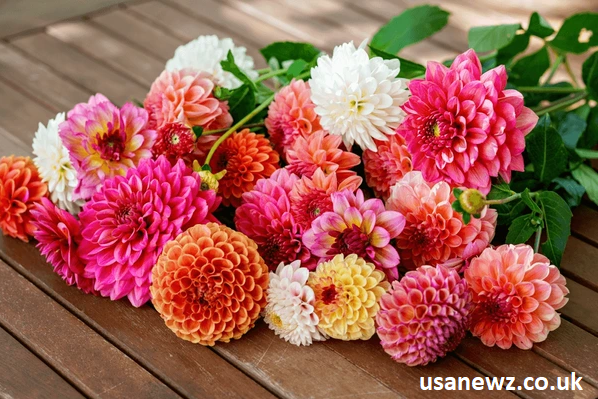
Dahlias are one of the most photogenic flowers in the world Dahlia Photography. Their bold colors, layered petals, and endless variety make them a favorite subject for photographers of all levels. Dahlia photography is not just about taking a picture of a flower; it’s about capturing texture, symmetry, emotion, and light in a way that brings these stunning blooms to life. Whether you’re a hobbyist shooting in your garden or a professional creating fine art prints, dahlias offer unlimited creative potential.
In this in-depth guide, we’ll explore everything you need to know about dahlia photography—from understanding the flower itself to mastering lighting, composition, and post-processing. By the end of this article, you’ll have a strong foundation to create compelling, professional-looking dahlia photographs that truly stand out.
Understanding Dahlias as a Photography Subject
Dahlias are unique because no two blooms look exactly the same. With thousands of varieties ranging from small pom-pom shapes to dinner-plate-sized flowers, they offer endless inspiration for photographers. Their intricate petal structures create natural patterns that look incredible when captured up close, making them perfect for both macro and standard photography.
Another reason dahlias are so popular in photography is their vibrant color palette. From deep burgundy and fiery red to pastel pink, creamy white, and even bi-color varieties, dahlias allow photographers to experiment with contrast, harmony, and mood. These colors can evoke different emotions depending on how they’re photographed, which adds depth to your visual storytelling.
Seasonality also plays a role in dahlia photography. Dahlias typically bloom from mid-summer to early fall, meaning they often appear during golden light conditions that are ideal for photography. This seasonal timing makes them a favorite subject for outdoor shoots, floral portfolios, and even commercial projects.
Choosing the Right Equipment for Dahlia Photography
You don’t need the most expensive camera gear to create beautiful dahlia photographs, but having the right tools definitely helps. A DSLR or mirrorless camera gives you greater control over settings like aperture, shutter speed, and ISO, which is essential for capturing fine details in petals.
Lenses play a crucial role in dahlia photography. A macro lens is ideal if you want to highlight the intricate textures and patterns of the petals. Macro lenses allow you to get extremely close while maintaining sharp focus, which is perfect for artistic close-ups. If you don’t have a macro lens, a standard prime lens with a wide aperture can still produce excellent results.
Tripods and reflectors are often overlooked but can make a big difference. A tripod helps keep your shots sharp, especially in low-light conditions or when using a narrow aperture. Reflectors can bounce light back onto the flower, softening shadows and enhancing details without the need for artificial lighting.
Lighting Techniques for Stunning Dahlia Photos
Lighting is one of the most important elements in dahlia photography. Natural light is usually the best choice, especially soft, diffused light found during early morning or late afternoon. This type of light enhances color and texture without creating harsh shadows that can distract from the flower’s details.
Overcast days are actually a blessing for flower photography. Clouds act like a natural diffuser, spreading light evenly and reducing contrast. This allows the intricate details of dahlia petals to shine without being overpowered by bright highlights or deep shadows.
Artificial lighting can also be used creatively. Softboxes, ring lights, or even a simple desk lamp with diffusion can help you control the light indoors. The key is to keep the lighting soft and directional, mimicking natural light as much as possible. Avoid using harsh flash directly on the flower, as it can flatten textures and wash out colors.
Composition Tips to Elevate Dahlia Photography

Composition is where dahlia photography truly becomes an art form. One of the most effective techniques is using a shallow depth of field to isolate the flower from the background. This draws the viewer’s attention directly to the dahlia and creates a clean, professional look.
Symmetry is another powerful compositional tool, especially with dahlias that have perfectly balanced petal arrangements. Centering the flower in the frame can work beautifully, particularly for bold, graphic images. However, don’t be afraid to break the rules—placing the flower off-center can add movement and visual interest.
Background selection is equally important. A cluttered or distracting background can ruin an otherwise great photo. Look for neutral tones, blurred greenery, or even simple backdrops like fabric or paper. The goal is to complement the dahlia, not compete with it.
Color and Texture in Dahlia Photography
Dahlias are a dream subject for exploring color theory. Their rich hues can be used to create dramatic, high-contrast images or soft, romantic compositions. Understanding how colors interact within your frame will help you make more intentional creative choices.
Texture is another defining feature of dahlia photography. The layered petals, subtle curves, and fine details add depth and dimension to your images. Side lighting is especially effective for highlighting texture, as it creates gentle shadows that reveal the flower’s structure.
Black-and-white dahlia photography is also worth experimenting with. Removing color shifts the focus entirely to shape, texture, and contrast. This approach can produce timeless, artistic images that feel more like fine art than traditional floral photography.
Macro Dahlia Photography: Capturing the Details
Macro dahlia photography allows you to explore the flower in an entirely new way. When you zoom in close, even a small section of petals can become an abstract piece of art. Patterns, lines, and curves that aren’t noticeable to the naked eye suddenly take center stage.
Focusing is critical in macro photography. Even slight movements can throw your subject out of focus, so using manual focus and a tripod is highly recommended. Take your time to find the exact focal point that best represents the flower’s character.
Depth of field is another challenge in macro dahlia photography. Shooting at very wide apertures creates a dreamy look but can result in extremely shallow focus. Experiment with different apertures to balance sharpness and artistic blur.
Editing and Post-Processing Dahlia Photos
Post-processing is where good dahlia photography becomes great. Editing allows you to enhance colors, adjust exposure, and refine details without altering the natural beauty of the flower. The goal is enhancement, not over-editing.
Start with basic adjustments like exposure, contrast, and white balance. Dahlias often have intense colors, so be careful not to oversaturate. Subtle enhancements usually produce more professional results than heavy-handed edits.
Sharpening and clarity adjustments can help bring out petal details, especially in macro shots. However, apply these tools selectively to avoid making the image look unnatural. A light touch goes a long way in floral photography.
Using Dahlia Photography for Creative and Professional Projects
Dahlia photography isn’t just a personal hobby—it has real-world applications. These images are widely used in stock photography, floral branding, social media content, and even wall art. Their universal appeal makes them valuable in both commercial and artistic contexts.
Gardeners, florists, and lifestyle brands often look for high-quality dahlia images to showcase beauty, elegance, and creativity. If you’re interested in selling your work, building a strong portfolio of dahlia photography can open up new opportunities.
On a personal level, dahlia photography is incredibly rewarding. It encourages patience, observation, and creativity, helping photographers slow down and appreciate small details. This mindful approach often leads to better images and a deeper connection with nature.
Final Thoughts on Dahlia Photography
Dahlia photography is a perfect blend of technical skill and artistic expression. These remarkable flowers offer endless inspiration through their shapes, colors, and textures. With the right approach to lighting, composition, and editing, you can transform simple garden blooms into striking visual stories.
Whether you’re shooting casually in your backyard or building a professional portfolio, dahlias provide an ideal subject to refine your photography skills. Take your time, experiment with different techniques, and most importantly, enjoy the process. With practice and creativity, dahlia photography can become one of the most fulfilling aspects of your photographic journey.