Ken Burns Documentaries: A Deep Dive into the Art, Style, and Cultural Impact of America’s Storyteller

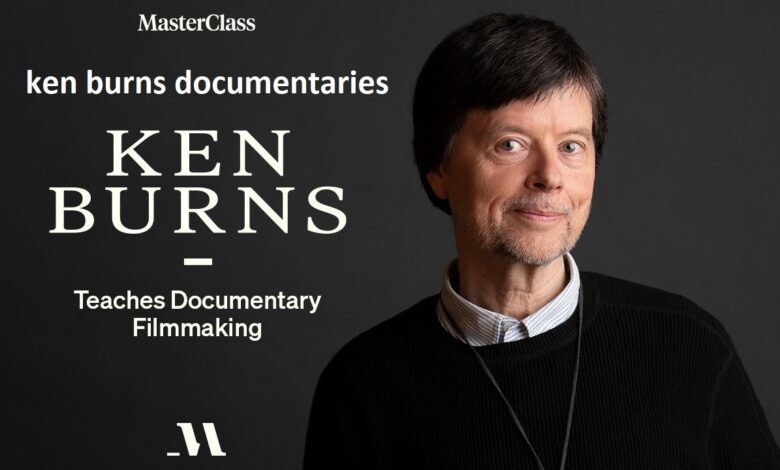
Why Ken Burns Documentaries Stand Out
Ken Burns documentaries have become a cultural icon in themselves—almost a genre. Anyone who has watched one of his films immediately notices the smooth voiceovers, the slow pan across old photographs, and the extremely detailed storytelling that somehow never feels boring. There’s a reason his approach is studied in classrooms and imitated by other filmmakers: it’s simple, but profoundly effective. Ken Burns has spent decades telling the story of America piece by piece, and in doing so, he has shaped the way audiences understand history.
What makes Burns’ work special is that he doesn’t just present historical events; he brings viewers into the emotional core of those events. Instead of focusing only on dates and timelines, he builds his narratives around real people. Letters, diaries, photographs, and interviews breathe life into the past, making you feel connected to people who lived centuries ago. His documentaries are not just lessons—they’re conversations with time.
Another reason Ken Burns documentaries attract such a wide audience is the accessibility. Even viewers who aren’t necessarily history enthusiasts find themselves drawn in. His films create a rhythm: calm, steady, but incredibly engaging. Whether it’s The Civil War, Jazz, Baseball, or The Vietnam War, each film feels like an invitation to understand the world in a deeper way.
The Signature Ken Burns Style
When people talk about “Ken Burns style,” they’re referring to a very specific blend of storytelling techniques that he practically trademarked. The most famous, of course, is the “Ken Burns effect”—that slow zooming or panning over a still image, which has become a standard tool in film editing software today. This simple technique allows still photos to feel alive, almost like moving scenes from a forgotten movie.
Burns pairs this movement with rich narratives delivered by calm, articulate voiceovers. These narrations often quote letters, personal notes, newspapers, and firsthand accounts. The effect is intimate and emotional. You’re not just watching history; you’re listening to it speak. He treats archival materials with respect, as if they were characters themselves, and that elevates the storytelling to something more human and relatable.
Another major hallmark of the Ken Burns style is his use of music—often classical, folk, or period-specific. Music doesn’t just sit in the background; it becomes part of the story. In The Civil War, for example, the music shapes your emotional experience of each chapter. In Jazz, the music practically dances with the narration. This deliberate approach reminds viewers that history wasn’t silent—it was full of sounds, culture, and emotion.
Ken Burns and America’s Historical Identity
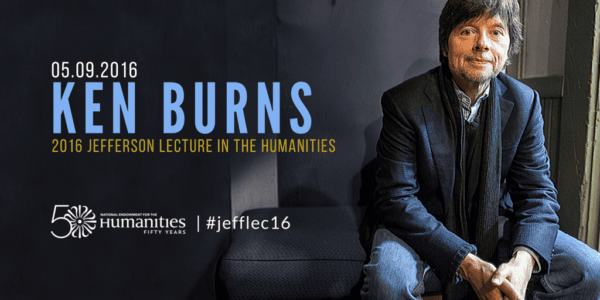
One of the strongest contributions of Ken Burns documentaries is the way they shape America’s understanding of its own identity. Burns never shies away from complexities. He doesn’t sugarcoat the dark parts of history, nor does he exaggerate the good. Instead, he presents a balanced, thoughtful, and well-researched narrative that encourages viewers to reflect on what it means to be American.
His films often focus on themes like struggle, resilience, cultural change, and national conflict. The Vietnam War explores loss, political tension, and trauma. The National Parks celebrates the beauty of the American landscape while addressing the people who fought to preserve it. Jackie Robinson tells the story of bravery in the face of discrimination. These documentaries remind audiences that history is made by ordinary people doing extraordinary things.
Burns’ work also encourages dialogue. His films spark conversations in classrooms, libraries, and homes. They invite viewers to question what they thought they knew and challenge simplified narratives. This method of storytelling gives his documentaries a unique power—they educate, but they also inspire self-reflection and sometimes even healing.
The Most Iconic Ken Burns Documentaries
It’s hard to pick favorites from Ken Burns Documentaries’ vast filmography, but a few titles truly stand out in cultural memory. The Civil War remains one of the most-watched PBS documentaries in history. Many credit it with revitalizing public interest in history when it first aired. Through letters, diaries, and images, Burns gave the war an emotional depth that felt almost literary.
Another classic is Baseball. Even viewers who don’t love sports admire the documentary’s look at American culture through the lens of a national pastime. Burns goes far beyond statistics—he explores the social, racial, and political threads connected to baseball’s evolution. It’s a history lesson disguised as a beautifully crafted story.
Then there’s Jazz, a documentary that celebrates one of America’s most influential art forms. It dives into the history of jazz music, the musicians who shaped it, and the social conditions surrounding its evolution. Burns weaves together music, culture, and personal stories to create an experience that feels both educational and soulful.
Why Ken Burns Documentaries Remain Relevant Today
Despite the rise of fast-paced content, flashy visuals, and short-form videos, Ken Burns documentaries continue to hold their place. One reason is the demand for meaningful storytelling. People still crave deep, thoughtful narratives, and Burns delivers exactly that. His films remind viewers that history is not just about past events—it influences current realities.
Another reason is authenticity. In a world overflowing with quick edits and sensationalized content, Burns’ slower, more reflective approach feels refreshing. His documentaries take their time, allowing viewers to absorb, understand, and appreciate each detail. This pacing builds trust. Audiences know that when they watch a Ken Burns documentary, they’re getting something honest and carefully crafted.
Finally, Burns’ topics remain timeless. Wars, culture, music, sports, and national identity are subjects that continue to matter. Each new generation discovers his films and connects with them in new ways. That longevity is proof of how effectively he communicates universal human themes.
The Educational Value of Ken Burns Documentaries
Ken Burns documentaries have become a staple in education. Teachers often use them to bring historical events to life because the storytelling resonates with students. Instead of memorizing dates, students hear real voices, see real faces, and understand real emotions. This creates a deeper connection to the subject matter.
The documentaries also encourage critical thinking. They present multiple perspectives, showing viewers that history is rarely black and white. Students learn to analyze events from different angles and to appreciate nuance. This skill is valuable not only academically but also in everyday life.
Moreover, Burns’ documentaries introduce viewers to historical figures they might never encounter in textbooks. Everyday heroes, overlooked contributors, and marginalized communities come into focus. This inclusive storytelling enriches the historical narrative and helps audiences build a broader understanding of society.
Conclusion: The Legacy of Ken Burns
Ken Burns documentaries have left an undeniable mark on American culture. His ability to blend emotion, facts, visual style, and storytelling has changed the way history is presented on film. More importantly, his work has helped countless people understand the past in a more personal and meaningful way.
Whether you’re a history buff or someone who just appreciates good storytelling, Ken Burns documentaries offer something unique. They remind us that history is alive, layered, and full of human experiences worth remembering. And as long as there are stories to tell, Ken Burns’ work will continue inspiring future generations of filmmakers, students, and everyday viewers.